
New York's Dark Side Is Hiding at the Seaport
Pirates, stolen buildings, and centuries-old crimes. A walking tour through Manhattan's Seaport reveals a side of New York that even the most dedicated history buffs might have missed.
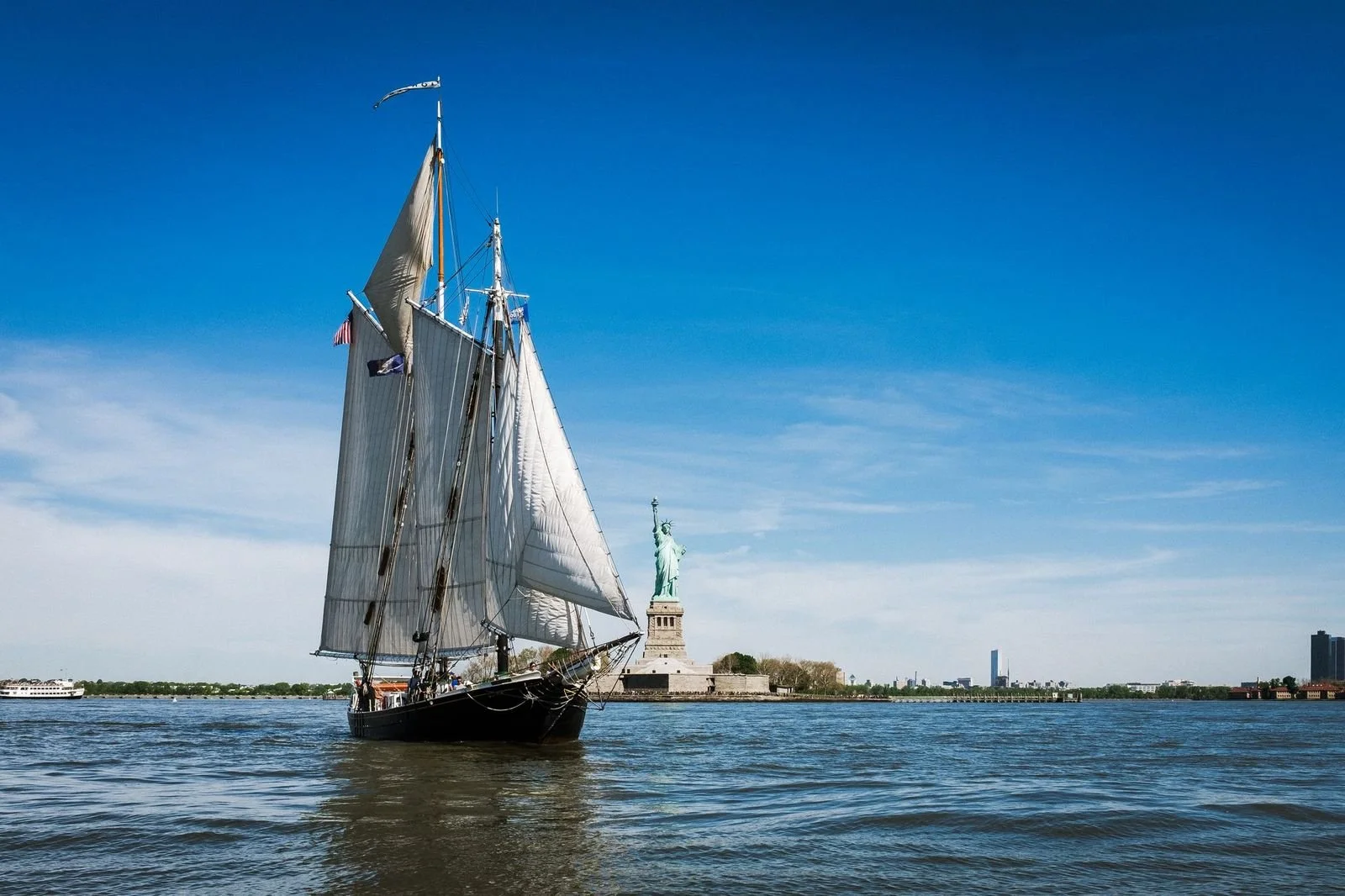
Richard Bowditch / Courtesy of South Street Seaport Museum
I've never been one for true crime.
Dramas, mysteries, crime thrillers. If it's fiction, I'm in. I even like a dramatized adaptation of true events, and I do think that sometimes knowing a story is true, even if it is embellished, gives it more emotional weight.
But when the true crime fad gained traction with podcasts and limited-series documentaries, I did not hitch myself to that bandwagon. I still want the narrative/dramatized version of the story, so I'm just not a fan, or at least that's what I thought. Maybe I'm just not a fan of those kinds of stories on screen because I realized the other night that when true crime is presented in the form of a history tour, I am captivated.
The South Street Seaport Museum down in the Seaport Historic District has brought back its Sinister Secrets of the Seaport walking tour just in time for spooky season (say all that five times fast). This tour focuses on some of the most violent and absurd crimes that the neighborhood has seen. My incredible tour guide transported us to the criminal underbelly throughout the years, and with every tale of depravity, I became more enthralled. We heard stories of mayors finding bodies on piers, whole buildings getting stolen, a tale of incendiarism (which is just the long-winded word they used for arson 200 years ago), and the most incompetent pirate, who also was New York City's last public execution.
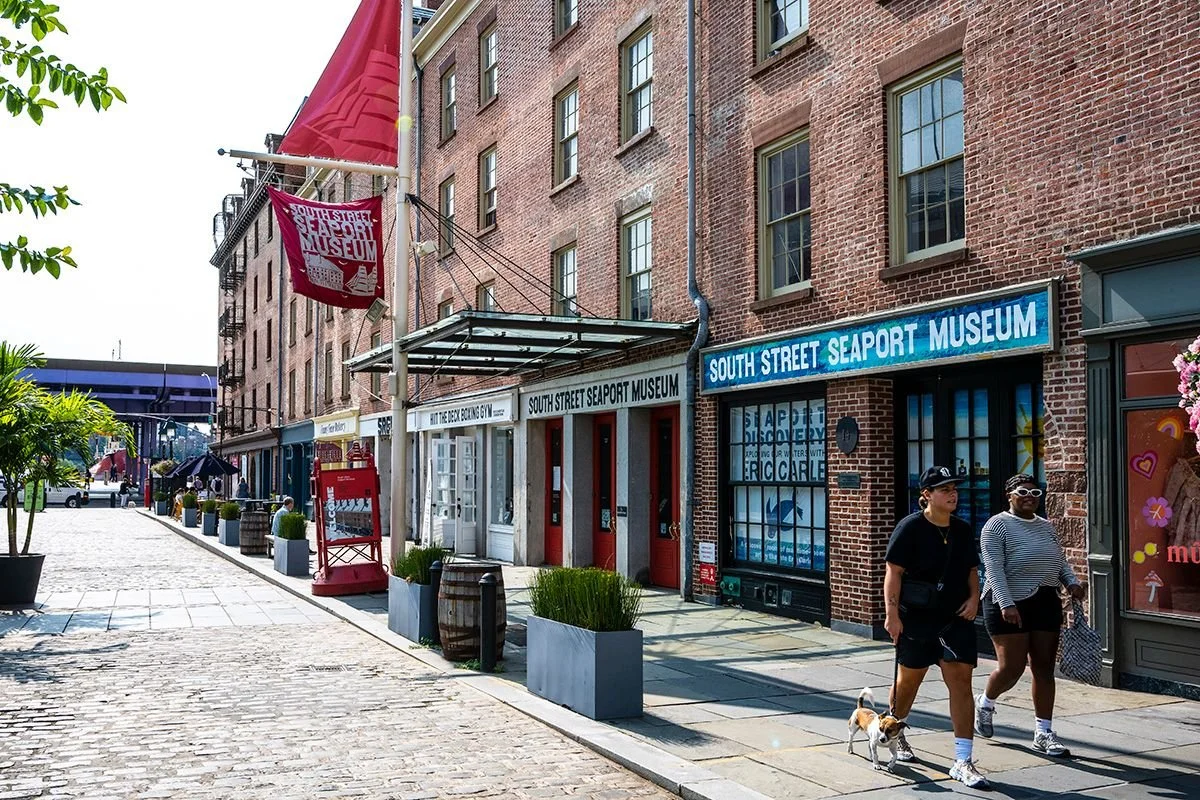
Richard Bowditch / Courtesy of South Street Seaport Museum
Maybe the historical distance between myself and the stories was enough to remove any issues I have with true crime. Then again, it could have been the combination of hearing the stories and standing on the actual spots where they occurred that gripped me, connecting me more to the tales on a physical level. Or maybe I just had a really good tour, which was enough to entertain me.
The spooky twist of this tour in the hours of faded sunlight was a lot of fun this time of year, but the history of the Seaport district was captivating in its own right. Beyond this crime-ridden tour, the museum offers a range of tours throughout the year, which is a treat for any history fanatic. As one such fanatic, I just thoroughly enjoyed walking around the district. New York houses beautiful museums, monuments, and exhibits that encapsulate the rich history of the city, but there are few places from the colonial and early American eras that are well preserved.
I grew up culturally Philadelphian, so I may be a bit biased when it comes to the preferred amount of colonial architecture that still should be gracing our streets. Part of the dilemma is the city's geography. New York just doesn't have the geographical abundance required for more preservation. Manhattan is only so big, and after 400 years of progress and development as one of the world's leading cities, it's no surprise the city's leaders and powers looked forward more often than they looked back. Buildings replaced older buildings, and streets were updated to handle the modern world the best they could. The only history preserved is in patches of landmarks that, while still beautiful and important, have been swallowed by the modern aesthetic of the city.
But not in Seaport.
Even with Wall Street's towers engulfing the backdrop, there are still so many 18th- and 19th-century buildings to enjoy and hear their history on one of the museum's tours, walking along streets with names that are actually a bit more literal than they seem today. Of course, we all know that Wall Street is where a wall once stood, protecting the original settlement of New Amsterdam, and Canal Street a little further north was at one time a canal. But the literal naming doesn't stop there: Water Street in FiDi was named because it was, well, water. The street is, in fact, along the island's original shoreline, before landfilling, dating back to the 1700s, extended the island's width. Even Cedar Street was aptly named because, you guessed it, there were some cedar trees growing over there.
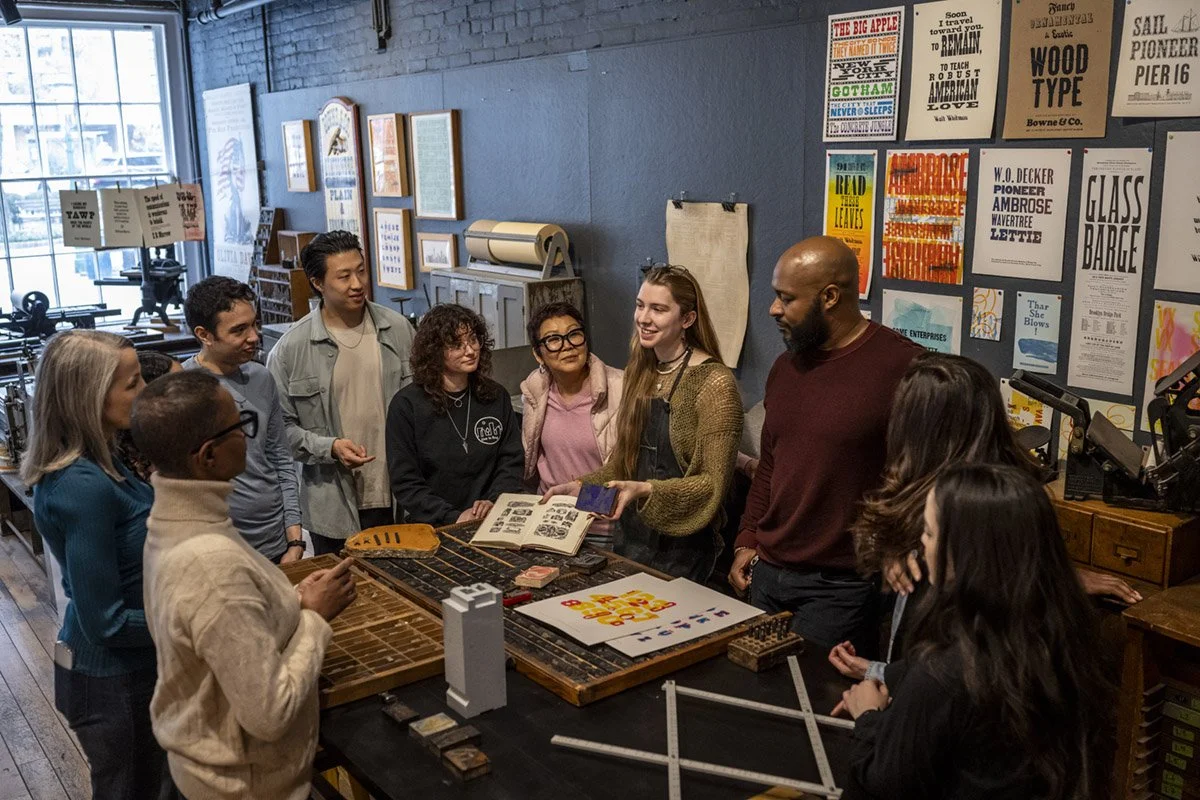
Richard Bowditch / Courtesy of South Street Seaport Museum
As for the buildings on some of these unimaginatively named streets, there's Schermerhorn Row, which lines Fulton with shops and houses the museum. It's a beautiful early 19th-century complex that originally housed offices for shipping and trade businesses. Then further north on Front Street is one of Manhattan's oldest buildings. It's now a private residence, so details will remain vague, but it has a fascinating past and may have had a hand in the creation of the ASPCA.
There's so much to see and learn on a Seaport Museum tour, but I think I've already said too much. After hearing the tales, I know well enough what happens to snitches, so I'll keep the rest of the details to myself. Sinister Secrets of the Seaport is running this fall. Get your tickets at the Seaport Museum's website.