
New York’s Hottest Love Affair Is Underground
The New York City subway is hot, loud, chaotic, and absolutely essential. In honor of the New York Transit Museum’s 50th anniversary, Film Forum is taking the trains to the big screen with NYC In Transit, a series celebrating more than a century of New York underground.
I wasn’t ready. I entered the turnstile and checked my phone to make sure I didn’t miss my train.
Slightly relieved, I descended the stairs, crouching to get a glimpse of the countdown clock because Google Maps does lie sometimes about the times. But just as the clock came into view, I hit the wall.
The stuffy, sticky, compact wall of heat that currently fills the New York City subway.
It is August. So by this point in the summer, the furnace-level temperatures of the platforms should be expected, and yet, every time I go underground, the shock of entering an inferno still evokes a physical reaction on my face.
But don’t get me wrong, I would still pick this mode of transportation every time. Yes, every time.
You think I’d willingly choose to drive? Across the city? In traffic?
Grow up. Absolutely not.
And I used to drive box trucks around the city basically for a living, so I can drive pretty well, thank you very much to those of you now thinking I’m unable to. No, the subway is my choice.
Maybe it’s just me, but there is something beautiful about being able to travel to (almost) anywhere in the city at (almost) any time of day without fighting traffic or dealing with the nuisance of parking. All the while, I can read through a chapter or two of my current book or climb another few levels on the latest knock-off Candy Crush or Tetris game.
I’m not saying we’re working with a perfect system, and I’ll be the first to rip into the subway at the first inconvenience, but we live in New York. The subway is not only an essential tool of city navigation; it’s part of our identity. The subway lines are the blood vessels of the city, bringing people where they need to go and keeping the life of the city at its steady, upbeat pace. Frankly, my hot take is that if someone can’t handle navigating some signs and a crowd of people to get on a train they don’t have to maintain, I don’t know if I trust them to handle a vehicle they have to operate themselves on the road, surrounded by hundreds of other cars.
And on this particular evening, even as sweat dripped down my back, I eagerly awaited the train to bring me to Film Forum, where they have started a special series celebrating the New York City subway in honor of the Transit Museum’s anniversary. Beyond the country’s 250th and the city’s 400th, 2026 marks the 50th anniversary of the New York Transit Museum.
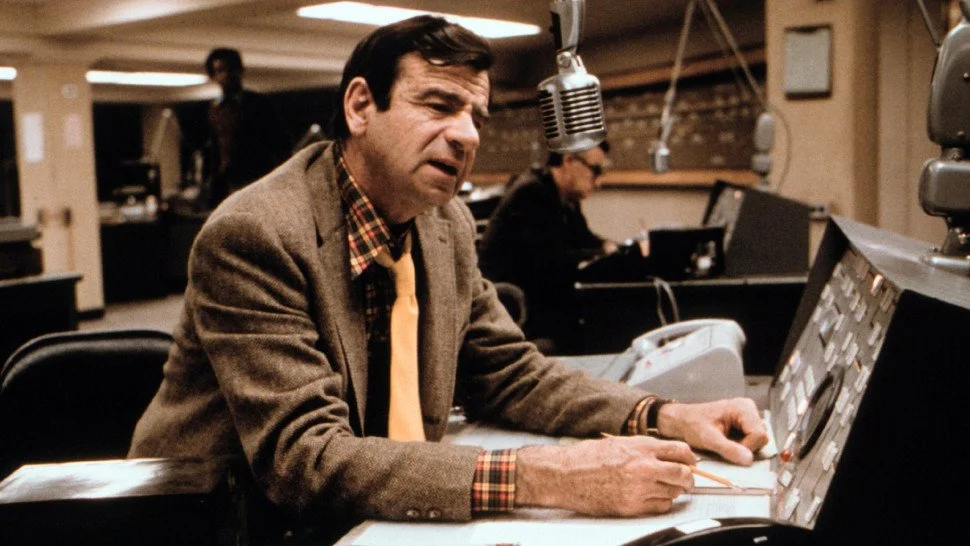
Courtesy: Film Forum
Located in a decommissioned (and air-conditioned) subway station in Downtown Brooklyn, the Transit Museum showcases the history of the city’s subterranean transit system with an informational exhibit. Even more impressive, the platform of the preserved station houses train cars and turnstiles from various eras of the subway’s 120-year history. The 1960s Bluebird car was my personal favorite, as were the antique ads on display, when I had a particularly lovely visit to the museum earlier this summer. History and train enthusiasts alike can enjoy stepping through time as they pass from car to car, and Film Forum’s NYC In Transit series, which kicked off last month, only adds to the experience, showcasing the subway throughout cinema history.
After my train finally arrived, I attended a screening of The Taking of Pelham One Two Three—the original 1974 version, to be clear—and my repeat viewing did not disappoint. As a piece of cinema, Pelham is such a fun ride (pun intended). It follows the story of four criminals who hijack a 6 train and hold eighteen passengers hostage as a Transit Police lieutenant and the rest of the control center try to meet the criminals’ demands.
It is a fun crime thriller; while simple in its premise, it keeps up the tension and fills the gaps with charismatic humor. The performances really give this movie life, with Walter Matthau, Robert Shaw, Jerry Stiller, Martin Balsam, and honestly everyone else creating an authentic and entertaining image of New York City.
Then there’s the sound design, which really stands out in the opening sequence, where it doesn’t shy away from the deafening screeches of the subway. Anyone who has sat on a 1 train or waited for the 4 or 6 at Union Square can attest to how accurate the nonstop noise is in that opening sequence. But director Joseph Sargent didn’t include it just for the sake of giving viewers an authentic subway experience. When the train is finally taken over and comes to a stop, it is the lack of sound that is far more ominous than its inclusion, prompting viewers—and the hostages—to pray for the comfort of the noise’s return.
But what stood out the most to me during this viewing is just how much this film holds up 50 years later as an accurate depiction of New York. Yes, there are moments of racially and misogynistically charged jokes that feel way out of place, but the majority of the film evokes a New York that is still familiar.
Bruce Goldstein, the Repertory Artistic Director at Film Forum, spoke before the screening, calling this film one of the most accurate depictions of the New York subway in cinema. The production shot on location, even if they did use abandoned parts of Brooklyn platforms to film many scenes, and also depicted the train’s movements accurately.
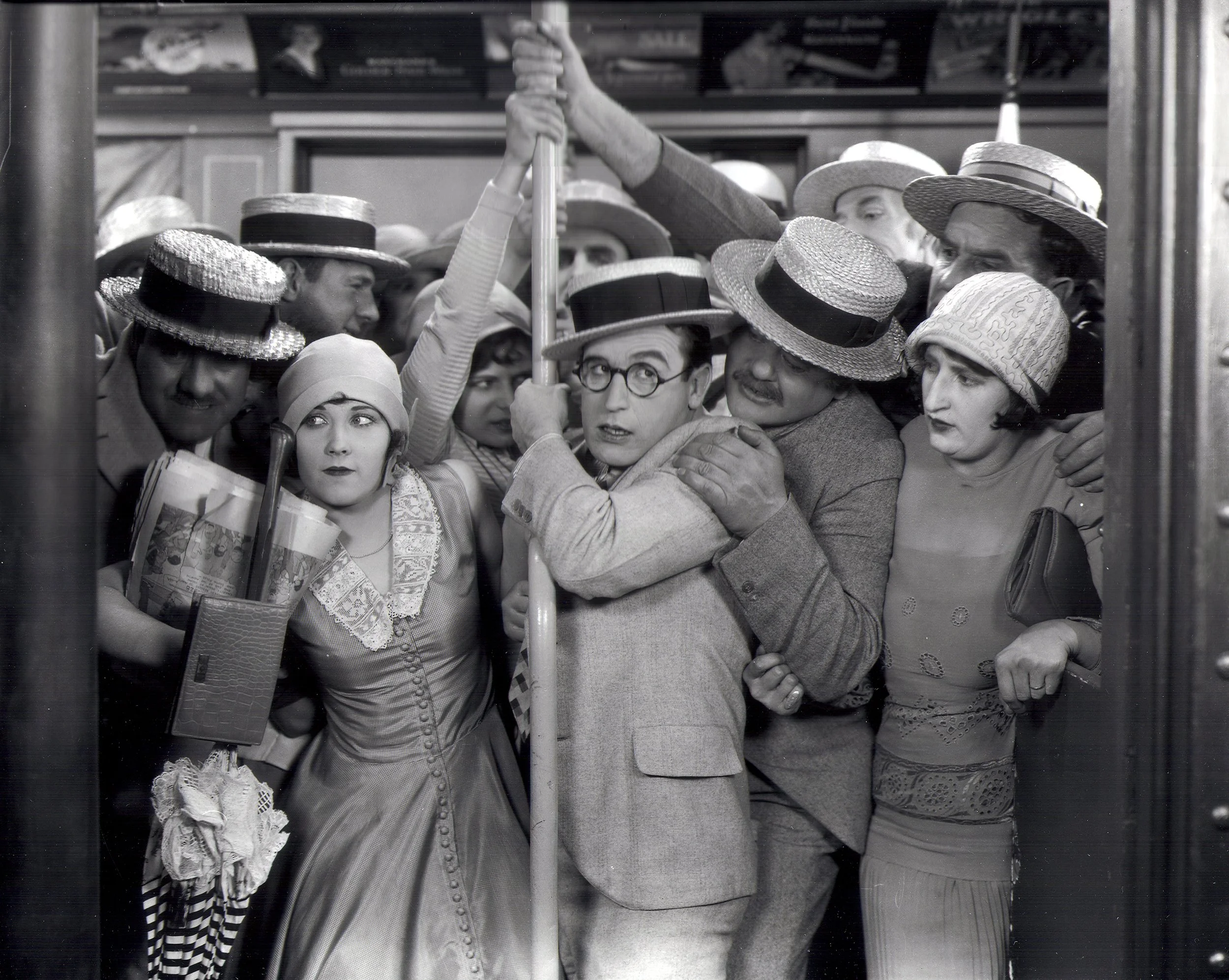
Courtesy: Film Forum
In contrast, another New York City classic, The Warriors, provides a gritty 1970s view of the subway, but there are times when creative liberties are taken with the characters’ travel itineraries. For example, there is a moment where characters get on the L train at 96th Street.
I’ll let you find the error in that sentence.
Then, circling back to the cast again, I felt that you could easily pass these characters on the street today. From the hard-ass New York attitudes in the control center to the diverse, albeit stereotypical, personalities of the hostage passengers, Pelham is as much a time capsule as it is a living embodiment of the New York attitude. We watch our lead characters bicker and scream and give each other so much shit, but at the end of the day, all they want to do is help eighteen of their neighbors and get the trains running again.
The NYC In Transit series is now ongoing at Film Forum, with special screenings over the next few months, and the Transit Museum is open weekly, Wednesday through Sunday. Enjoy some New York history and then take a ride on the subway just to appreciate this convenient city service.
Or maybe, on second thought, enjoy the history now and take the leisurely ride when it’s not so hot.